
GET FOUND · SEO CONSULTANT
How to choose an SEO consultant who drives revenue.
Most businesses that hire an SEO consultant get a monthly report with keyword positions, organic sessions and a note about progress. What they rarely get is a line from that work to leads, pipeline or revenue. I see that gap often when I'm asked to look at a company's marketing, and it usually costs more than the retainer does.
Working from Valencia, Spain · Ten years in Dallas, Texas · Serving the US, UK, and EU
Last updated October 2026
I've worked in sales and marketing since 2010 and started CairnsCom in 2022. Most of my clients are cyber security firms, early-stage startups and mental health practices, and in all of them the standard SEO playbook breaks quickly. Buying cycles are long, compliance rules are real, and general traffic is close to worthless. This page covers what an SEO consulting engagement should deliver, how I price it, and how to tell a capable consultant from a convincing one before you sign anything.
What should a revenue-focused SEO consultant deliver?
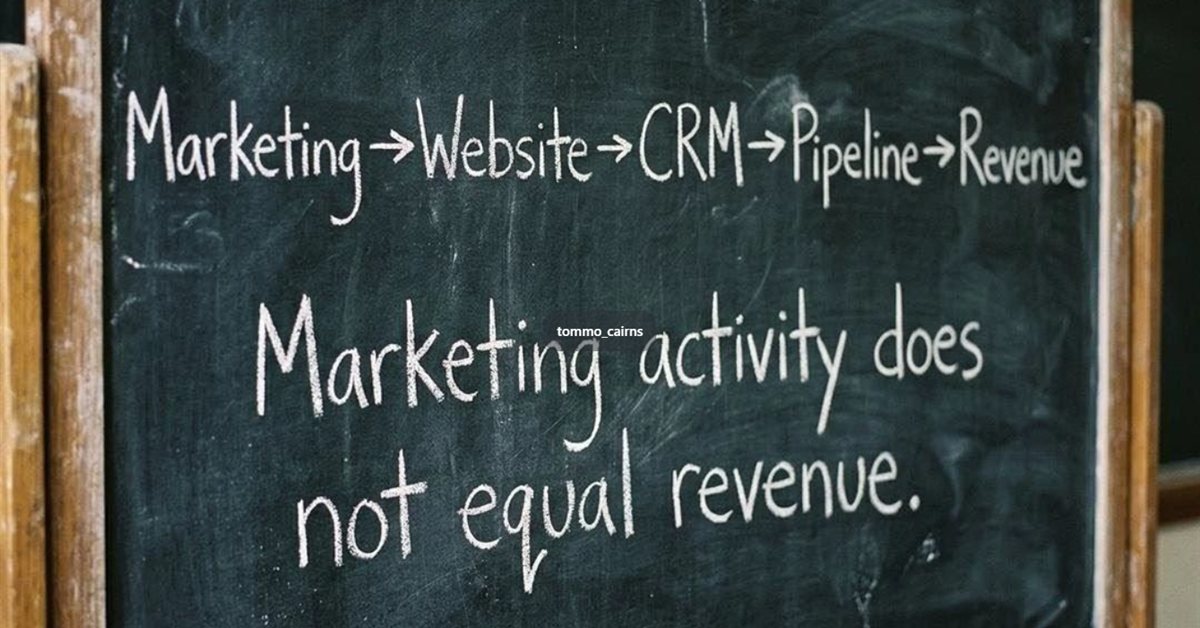
Most consultants optimize for the numbers they can control. Rankings, impressions and traffic are easy to report. Qualified leads, pipeline and closed revenue mean understanding your sales process, your buyer, and where organic search sits in their decision. Few consultants go that far, and few clients push them to.
I hold the work to three outcomes. The first is visibility with the right buyers: pages that match what qualified prospects search for when they're ready to compare options, which is a different job from chasing more traffic. The second is a higher conversion rate on that traffic, which means treating the website as a sales tool instead of a content archive. The third is organic leads that land in your CRM, your intake process and your proposal workflow, instead of in an analytics tab nobody opens.
Sector knowledge changes the result. A cyber security firm's technical buyers research through different channels and queries than a consumer buyer does. A mental health practice works under compliance rules that rule out tactics a general consultant would suggest without a second thought. A startup has to build organic presence fast, without the authority older competitors have built up over years. Someone who has worked in your situation will make different calls from someone who runs every engagement the same way.
How do you get found on Google and in AI answers in 2026?
Buyers no longer do their research only through ten blue links. Google's AI Overviews, ChatGPT and Perplexity now sit between them and your website. When Pew Research Center tracked the Google searches of 900 US adults in March 2025, people clicked a traditional result in 8% of visits when an AI summary appeared, against 15% when one did not (Pew Research Center). Any technical SEO work now has to cover both places. A buyer who asks an AI tool to compare providers may never reach your well-ranked page if the answer doesn't cite you.
That makes a citation or recommendation in an AI answer part of organic visibility. For B2B service firms the priority moves from earning informational clicks to being the expert an AI tool will name in your field. I go into how that works on the AI search visibility page.
Ranking well for lead generation needs a different definition too. Position one on a high-volume informational query can bring plenty of traffic and almost no qualified leads. The pages that build pipeline match what buyers search when they're comparing options. I map every query to a funnel stage and a business value as well as its search volume, and that changes both the plan and what it produces.
Good visibility looks different for each kind of business. A cyber security firm needs to rank for the high-intent technical queries that procurement teams and security engineers type. A mental health practice needs strong local search presence built on its real specialties, ethical content and a compliant intake process. A startup needs topical authority fast in a space where it has no history. The keywords, the content and the authority work differ in each case, and a consultant who treats them the same will fall short in all of them.
How do you turn organic traffic into paying clients?
High traffic doesn't prove SEO is working. Plenty of businesses hit their traffic targets and still lose deals to competitors with a fraction of the visits. The problem is usually what happens after the click. A page that attracts early researchers and gives them no route to evaluation creates activity without pipeline. I build the conversion path into the plan from the start, which is where website design and SEO meet.
Connecting organic leads to revenue
Leads from organic search should reach your CRM with the landing page, source and conversion data attached, so you can follow each one through to closed revenue. Without that you can't tell what's working, you can't credit pipeline to specific content, and you can't decide where to spend next. Rankings delivered with no attribution behind them are hard to defend at a budget review.
What does an SEO consultant cost, and what's included?
Ongoing SEO consulting with me starts from $500 a month, or £400 a month for UK businesses. The exact price is fixed and agreed before any work starts, based on the scope we settle on together, so you know the full cost up front. It's also a lot less than most agencies and consultancies charge for the same work. There are several reasons I can do that, and I'm happy to walk you through them on a call.
Whoever you hire, a three-to-six month engagement should include:
- A technical audit with a remediation roadmap ordered by impact and effort, not only by severity
- A keyword and search-intent map tied to funnel stage
- On-page optimization of priority pages
- A content strategy with production briefs
- Internal-link architecture recommendations
- A tracking dashboard connected to business KPIs instead of vanity metrics
A tool-generated audit dressed up as strategy isn't a deliverable. You should be able to trace a line from each business objective to the work done and the result measured. The monthly report should say what was done, what changed and what comes next, with more in it than total sessions and keyword positions. If you're weighing up a standalone audit first, here's how much an SEO audit costs and what changes the price.
Be realistic about timing. Technical fixes can show movement within two to eight weeks, once search engines recrawl the changes. New content usually needs three to six months to build steady organic traffic, though a strong refresh of an established page can move in two to eight weeks. Authority building takes six to twelve months at least, and longer for new domains or crowded markets. I judge early evidence at 90 days and a reliable trend at six months, provided the work keeps getting implemented in between.
How do you vet an SEO consultant before you sign anything?
Ask questions that make a consultant show their work. How would they structure the first 90 days, and what would they need to understand before proposing a strategy? How would they separate SEO results from seasonality, a product launch or a paid campaign running at the same time? Which KPIs beyond rankings would they tie the engagement to, and what would a traffic drop set off in their process? Strong answers talk about diagnosis, priorities and trade-offs. Weak answers talk about tools and best practice.
Ask for proof you can check. A comparable case study should show the starting baseline, the work done, the timeline and a commercial result, where a weak one shows a traffic graph going up and little else. Work samples should include prioritized audit findings, a content brief and a reporting dashboard tied to business KPIs. A reference call should confirm the results and tell you what working together was like. I write my own case studies around starting conditions, the changes made and the business results that followed, like this one for a Dallas therapy practice, because that's the only kind that tells you anything useful.
Walk away from anyone who guarantees rankings. Nobody can promise a search engine outcome, and Google says so itself: "No one can guarantee a #1 ranking on Google" (Google Search Central). Claims like "doubled traffic" with no dates, baseline or conversion data mean nothing. A consultant who wants sole control of your Search Console or analytics accounts is a structural problem, because you should own those accounts and keep admin access whoever does the work. An AI-generated audit presented as strategy, or reporting that only shows sessions and keyword positions, both point to work below the standard a serious engagement needs.
How should you make the final decision?
The decision comes down to three kinds of evidence. A comparable case study with real business results tells you whether the consultant has done this for a business like yours. Work samples you can inspect tell you whether the output is usable or only presentable. A frank reference call tells you what working with them is like when things go well and when they don't.
For a practical test, pay your finalists for a short, fixed exercise. Give them 60 to 90 minutes with your site and ask for the three highest-impact SEO opportunities, how they'd validate each one, what each depends on, and the metric that would show it worked. Watch whether they ask sensible questions before prescribing, keep the focus on business impact, separate confirmed issues from hunches, and recommend things your team can carry out. That exercise will tell you more than three sales calls.
Judge an SEO consultant by the revenue their work brings in. The right hire connects visibility to conversion to your business systems, leaves you with measurement that outlasts the engagement, and ties every recommendation to what your business cares about. If that's the kind of help you want, book a call with me. Fifteen to thirty minutes is usually enough to see whether we're a fit, but I'll give that first call as long as it needs, because I enjoy talking with people about their businesses. There are more ways to get found here too.